
Where Users Are Finding More Effective Relaxation Methods
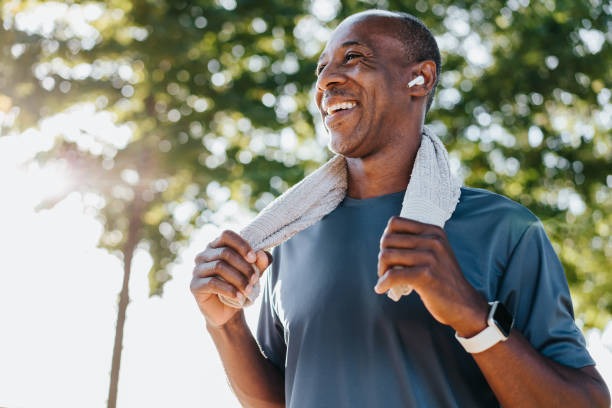
In today’s fast-paced world, finding effective relaxation methods has become increasingly important as stress levels rise across various demographics. Many individuals are turning to new and diverse approaches beyond traditional techniques to achieve a sense of calm and mental clarity. These emerging strategies often blend technology, mindfulness, physical activity, and social interaction, reflecting a broader understanding of what constitutes effective relaxation.
One significant area where users are discovering more effective relaxation is through digital platforms offering guided meditation and breathing exercises. Apps have made these practices accessible anytime and anywhere, allowing people to tailor their sessions according to their needs. The convenience of such tools encourages consistent use, which enhances the benefits over time. Additionally, virtual reality environments designed for relaxation provide immersive experiences that transport users away from daily pressures into calming natural scenes or soothing soundscapes.
Physical activities also play an essential role in modern relaxation methods. Yoga remains popular due to its combination of gentle movement and breath control but has been complemented by newer forms like tai chi or qigong that strongest live resin cart emphasize slow, deliberate motions fostering both physical health and mental peace. Outdoor exercise such as walking in nature is gaining recognition for its ability to reduce anxiety while improving mood through exposure to fresh air and sunlight.
Social connections contribute significantly to effective stress relief as well. People find comfort in sharing experiences with friends or participating in group activities centered around wellness themes. Community classes focusing on creative arts like painting or music therapy offer outlets for emotional expression while promoting social engagement-both critical factors in reducing feelings of isolation that can exacerbate stress.
Nutrition also influences how effectively one can relax; many users report improved outcomes when combining dietary adjustments with other techniques. Consuming foods rich in antioxidants or omega-3 fatty acids supports brain function and helps regulate mood swings caused by chronic tension.
Another promising trend involves integrating multiple methods into personalized routines rather than relying on a single approach. This holistic perspective acknowledges the complexity of individual stress responses and aims at addressing them comprehensively through lifestyle changes rather than quick fixes.
Overall, users are finding more effective relaxation methods by embracing innovation alongside proven practices tailored to personal preferences and circumstances. This shift reflects growing awareness about mental health’s importance within overall well-being frameworks globally. As research continues evolving alongside technological advancements, opportunities for discovering even better ways to unwind will likely expand further, benefiting wider audiences seeking balance amid life’s demands.