
Exploring Innovative Fire Barrier Solutions for Safer Commercial Spaces
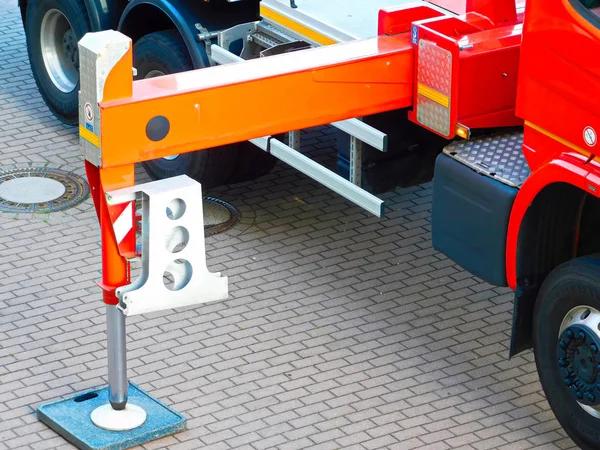
Ensuring safety in commercial spaces is a critical concern that requires continuous innovation, especially when it comes to fire protection. Fire barriers play an essential role in preventing the spread of flames and smoke, protecting both property and human lives. Traditional fire barrier solutions often involve materials such as gypsum boards, concrete walls, or fire-resistant glass; however, advancements in technology have led to more effective and versatile options designed to meet the evolving demands of modern buildings. Exploring innovative fire barrier solutions reveals how these developments contribute significantly to creating safer commercial environments.
One of the most promising advancements is the use of intumescent coatings. These special paints expand when exposed to high temperatures, forming an insulating char layer that protects structural elements from heat damage. Intumescent coatings are particularly advantageous because they can be applied directly onto steel or other surfaces without adding significant weight or bulk. This feature allows architects and engineers greater flexibility in design while maintaining compliance with stringent fire safety regulations.
Another breakthrough involves advanced composite materials engineered for enhanced fire resistance. Unlike traditional single-material barriers, composites combine multiple substances at a microscopic level to achieve superior performance under extreme conditions. For instance, fiber-reinforced polymers integrated with ceramic particles provide not only excellent thermal insulation but also mechanical strength during fires. Such materials help maintain structural integrity longer than conventional options, offering valuable time for evacuation and emergency response teams.
In addition to material innovations, smart technologies are increasingly incorporated into fire barrier systems. Sensors embedded within walls or ceilings can detect temperature changes or smoke presence instantly and communicate this information via building management systems. Early detection allows for quicker activation of suppression mechanisms like sprinklers or ventilation controls that limit smoke spread while facilitating safe egress routes for occupants.
Modular fire barrier components represent another area where innovation enhances safety and efficiency simultaneously. Prefabricated panels designed with built-in fire-resistant properties simplify installation processes on construction sites while ensuring consistent quality standards across projects. These modules can be customized according to specific building codes and architectural requirements without compromising protective features.
Sustainability considerations also influence new developments in this field by encouraging eco-friendly materials that do not release toxic fumes during combustion-an important factor since many traditional flame-retardant chemicals pose environmental hazards upon degradation.
Overall, exploring innovative fire barrier solutions reflects a commitment toward improving safety measures through smarter designs and cutting-edge materials tailored for commercial spaces’ unique challenges. As regulations become stricter worldwide alongside growing urban density trends, adopting these advanced approaches will prove essential in safeguarding assets and human life against potential fires effectively yet unobtrusively within modern infrastructure frameworks.