
Why Spray Foam Insulation Outperforms Traditional Materials Every Time
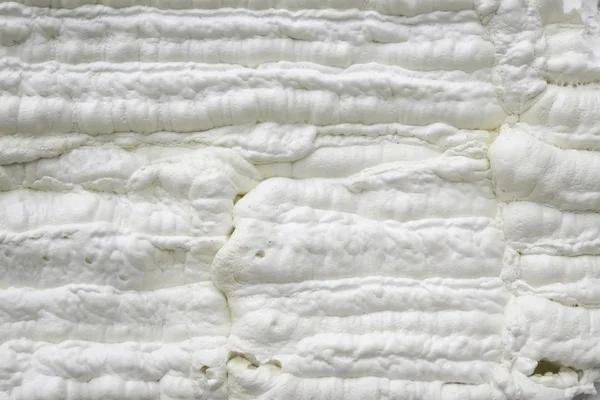
Spray foam insulation has become increasingly popular in both residential and commercial construction due to its superior performance compared to traditional insulation materials. Unlike conventional options such as fiberglass or cellulose, spray foam expands upon application, creating a seamless barrier that effectively seals gaps and cracks. This unique characteristic allows it to provide an airtight seal that significantly reduces air leakage, which is one of the primary causes of energy loss in buildings. As a result, homes and offices insulated with spray foam enjoy better temperature regulation and lower energy bills.
One of the key advantages of spray foam insulation is its high R-value per inch. The R-value measures thermal resistance, indicating how well an insulating material can prevent heat transfer. Spray foam typically offers an R-value between 6 and 7 per inch, which surpasses most traditional materials like fiberglass batts or blown-in cellulose. This means that less thickness is required to achieve the same level of spray foam insulation particularly useful in spaces where maximizing interior room dimensions is important.
In addition to thermal efficiency, spray foam acts as a moisture barrier. Traditional insulations often allow water vapor to pass through or accumulate within walls, potentially leading to mold growth and structural damage over time. Spray foam’s closed-cell variety resists water absorption and prevents condensation buildup by forming a continuous layer that blocks moisture infiltration. This property not only protects building integrity but also contributes to healthier indoor air quality by reducing mold spores and allergens.
Durability further distinguishes spray foam from other materials. Once cured, it adheres strongly to surfaces such as wood, metal, or concrete without sagging or settling over time-a common problem with loose-fill insulations like cellulose or fiberglass fibers that may compress or shift after installation. The rigid nature of closed-cell spray foam also adds structural strength to walls and roofs, enhancing overall building stability during extreme weather conditions.
Another benefit lies in soundproofing capabilities; spray foam dampens noise transmission more effectively than many traditional insulators because it fills cavities completely without leaving voids where sound waves can travel freely.
Finally, the longevity of spray foam means fewer replacement cycles are needed throughout a building’s lifetime compared with conventional materials prone to degradation from pests or moisture exposure.
For these reasons-superior sealing ability, higher thermal resistance per inch, moisture control properties, durability against settling and damage along with enhanced soundproofing-spray foam consistently outperforms traditional insulation methods across various applications ensuring long-term energy savings and improved comfort for occupants alike.