
Solar System Care and Efficiency Management for Reliable Results
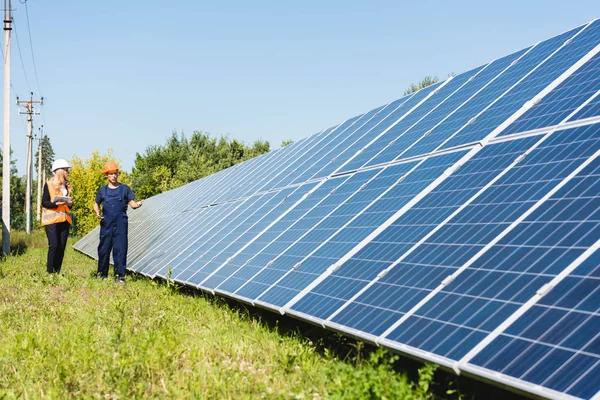
The solar system, a marvel of modern technology, has become an integral part of our quest for sustainable and renewable energy sources. As more individuals and businesses transition to solar power, understanding the intricacies of solar system care and efficiency management is crucial for ensuring reliable results.
At the core of any efficient solar energy system lies its photovoltaic (PV) panels. These panels are responsible for capturing sunlight and converting it into electricity. To maintain their efficiency, regular cleaning is essential. Dust, dirt, bird droppings, and other debris can accumulate on the surface of PV panels, reducing their ability to absorb sunlight effectively. Depending on your location and environmental conditions, cleaning should be performed every few months or as needed. Using soft brushes or cloths with water ensures that no damage occurs during the cleaning process.
In addition to cleanliness, monitoring the angle and orientation of your solar panels significantly impacts their performance. Ideally, panels should be positioned to capture maximum sunlight throughout the day; this usually means facing true south in the northern hemisphere or true north in the southern hemisphere at an optimal tilt angle relative to latitude. Seasonal adjustments may also be necessary to account for changes in sun path view website during different times of the year.
Beyond physical maintenance, technological advancements have introduced monitoring systems that provide real-time data on energy production levels and overall system health. These systems enable users to detect potential issues early on—such as faulty wiring or inverter problems—allowing for prompt repairs before they lead to significant losses in efficiency.
Battery storage systems play a vital role when it comes to managing excess energy produced by solar installations. Proper maintenance includes checking battery charge levels regularly and ensuring connections are secure without corrosion buildup which could impede functionality over time.
Additionally important is staying informed about local regulations regarding grid connectivity if applicable since policies vary widely depending upon region governing how surplus power might feed back into public utilities either through net metering arrangements compensating owners financially based upon kilowatt-hours returned onto shared networks helping offset future consumption costs potentially lowering bills further still!
Lastly but certainly not least keeping abreast new developments within sector itself offers opportunities upgrade existing setups newer models featuring enhanced efficiencies greater durability improved warranties among other benefits thereby safeguarding investment long term while maximizing returns sustainably responsibly too given growing emphasis placed worldwide combating climate change reducing carbon footprints alike making commitment towards greener tomorrow evermore pressing imperative today than ever before witnessed history humanity’s ongoing evolution planetary stewardship alike!