
Youth Sport Programs for Mental Health and Wellbeing: More Than Just Sport
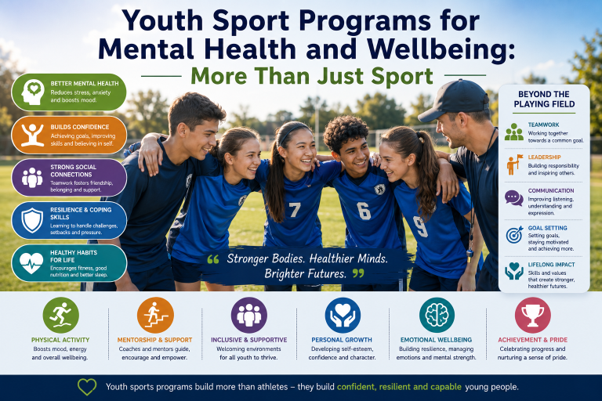
Today’s young people face a variety of challenges that can affect their mental health and emotional wellbeing. Academic pressure, social expectations, digital distractions, and uncertainty about the future can contribute to stress, anxiety, and feelings of isolation. As communities seek effective ways to support young people, organised physical activity has emerged as a powerful tool for fostering both mental and emotional resilience.
Many sport programs for youth are now designed with broader goals than simply improving athletic performance. These initiatives recognise that participation in structured activities can help young people develop confidence, strengthen social connections, and improve overall wellbeing alongside physical fitness.
A well-designed youth empowerment program often incorporates sport as a foundation for teaching leadership, teamwork, communication, and self-belief. By combining physical activity with personal development opportunities, these programs create environments where young people can thrive both on and off the field.
How Physical Activity Supports Mental Health
Physical activity has a direct and positive impact on mental wellbeing. When young people engage in regular exercise, their bodies release endorphins and other chemicals that contribute to improved mood and reduced stress levels.
Participation in sports can help:
- Reduce symptoms of anxiety
- Improve mood and emotional balance
- Increase energy levels
- Enhance sleep quality
- Build self-confidence
- Promote a sense of achievement
Young people who are physically active often report feeling more capable and motivated in other areas of life as well. Even simple improvements in fitness can contribute to a stronger sense of self-worth.
Beyond the biological benefits, sports also provide healthy outlets for managing emotions and coping with everyday challenges.
Building Confidence Through Achievement
Confidence is a critical component of mental wellbeing, particularly during adolescence. Sports offer numerous opportunities for young people to set goals, overcome obstacles, and experience success.
These achievements do not always involve winning competitions. Progress can take many forms, such as:
- Learning a new skill
- Improving performance
- Completing a challenging training session
- Supporting teammates
- Demonstrating leadership
Each accomplishment reinforces a sense of capability and personal growth.
One teenager who initially struggled with self-confidence joined a local sports program simply to stay active. Over time, regular participation helped them develop new friendships, improve communication skills, and gain the confidence to take on leadership roles at school. Stories like this highlight how sport can positively influence many aspects of a young person’s life.
Creating Strong Social Connections
Social connection is one of the most important protective factors for mental health.
Youth sports naturally bring individuals together through shared experiences, teamwork, and common goals. These interactions help participants develop meaningful relationships with peers, coaches, mentors, and community members.
Strong social networks can:
- Reduce feelings of loneliness
- Increase emotional support
- Encourage positive behaviours
- Improve resilience during difficult times
- Foster a sense of belonging
For many young people, their sports team becomes a supportive community where they feel accepted and valued.
This sense of belonging can be especially important for individuals who may struggle with social confidence or feel disconnected in other environments.
Learning Resilience and Coping Skills
Life inevitably involves setbacks, disappointments, and challenges. Sports provide valuable opportunities for young people to learn how to respond constructively when things do not go as planned.
Athletes regularly encounter situations such as:
- Losing games
- Making mistakes
- Facing competition
- Recovering from injuries
- Managing performance pressure
Through these experiences, young people develop resilience, adaptability, and perseverance.
Learning how to handle setbacks in a supportive sporting environment can prepare youth for challenges they may encounter in academics, careers, and personal relationships later in life.
Coaches who emphasise growth, effort, and learning rather than perfection help reinforce healthy coping strategies and positive mindsets.
The Role of Coaches and Mentors
The impact of youth sports often extends beyond the activity itself because of the relationships participants build with trusted adults.
Coaches and mentors play a significant role in shaping young people’s experiences. Positive role models can provide guidance, encouragement, and emotional support while helping youth navigate personal and social challenges.
Effective mentors help participants:
- Develop self-discipline
- Improve communication skills
- Build leadership abilities
- Strengthen self-esteem
- Set realistic goals
When coaches prioritise wellbeing alongside performance, they create environments where young people feel safe, respected, and motivated.
The influence of a supportive adult can have lasting effects on a young person’s confidence, decision-making, and overall development.
Promoting Healthy Habits for Life
Youth participation in sports often encourages healthy habits that continue into adulthood.
Regular involvement in physical activity helps establish routines that support long-term wellbeing. These habits may include:
- Consistent exercise
- Balanced nutrition
- Healthy sleep patterns
- Stress management
- Time management skills
Developing these behaviours early in life can contribute to better physical and mental health outcomes in the future.
Young people who learn to value wellness and self-care through sport are often better equipped to maintain healthy lifestyles as adults.
This long-term perspective makes youth sports an investment not only in present wellbeing but also in future health and success.
Making Sports Inclusive and Supportive
To maximise mental health benefits, youth sports programs must be inclusive and supportive of participants with diverse backgrounds, abilities, and interests.
Programs should focus on:
- Positive participation experiences
- Equal opportunities
- Respectful team culture
- Personal growth
- Emotional safety
- Enjoyment and engagement
An overly competitive environment can sometimes create unnecessary stress and pressure. In contrast, programs that emphasise development, learning, and enjoyment tend to produce stronger wellbeing outcomes.
Creating welcoming spaces where every participant feels valued helps ensure that the benefits of sport are accessible to all young people.
Communities, schools, and organisations all play important roles in fostering inclusive opportunities for youth participation.
Beyond the Playing Field
The lessons learned through sports often extend far beyond athletic performance.
Young people frequently carry skills developed in sports into other areas of life, including education, employment, and relationships. These transferable skills may include:
- Teamwork
- Leadership
- Communication
- Problem-solving
- Goal setting
- Responsibility
Such competencies contribute to personal development and can improve future opportunities and life satisfaction.
When sports are intentionally designed to support holistic growth, they become powerful tools for nurturing capable, confident, and resilient individuals.
The impact can continue long after the final whistle, influencing how young people approach challenges and opportunities throughout their lives.
Conclusion
Youth sport programs are about far more than physical activity and competition. They provide valuable opportunities for improving mental health, building confidence, fostering social connections, developing resilience, and promoting lifelong wellbeing.
By creating supportive environments where young people feel encouraged, respected, and empowered, sports can play a meaningful role in addressing many of the challenges facing today’s youth. The combination of physical activity, mentorship, teamwork, and personal growth creates a powerful foundation for emotional and psychological development.
As communities continue to prioritise youth wellbeing, investing in quality sports programs can help shape healthier, happier, and more resilient generations. When approached thoughtfully, sport becomes not just a game, but a pathway to lifelong growth and positive mental health.