
Fixing AC Cooling Issues Caused by a Clogged Condensate Drain
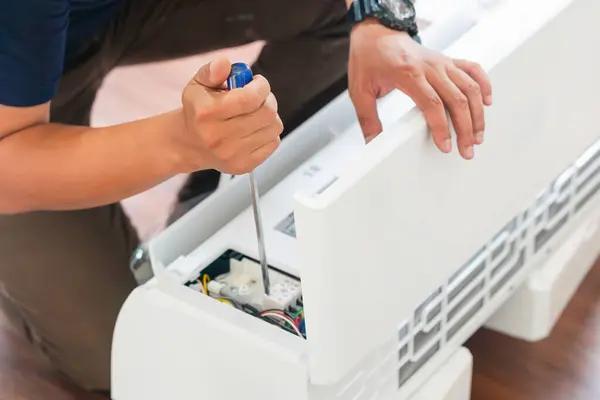
Air conditioning units are essential for maintaining comfort in homes and offices, especially during the sweltering summer months. However, these systems can sometimes face issues that compromise their efficiency and effectiveness. One common problem that many homeowners encounter is a clogged condensate drain, which can significantly impact the cooling performance of an air conditioner.
The condensate drain plays a crucial role in the functioning of an AC unit. As the system cools the air, it also removes moisture to reduce humidity levels indoors. This moisture collects on the evaporator coils and drips into a pan before being channeled away through the condensate drain line. Over time, this drain line can become clogged with dirt, algae, or other debris, leading to water buildup and potential overflow issues.
When a condensate drain becomes blocked, several problems can arise. Firstly, water may back up into your home or office space, causing water damage to floors and walls. Additionally, excess moisture can lead to mold growth within the unit itself or surrounding areas—a health hazard that could exacerbate respiratory issues for occupants. Furthermore, when water cannot properly exit through the drainage system due to blockage, it may cause your AC system to shut down as a safety check here measure.
Fixing cooling issues caused by a clogged condensate drain involves several steps that you can undertake with some basic tools and patience. First and foremost is identifying whether you indeed have a clogging issue; signs include visible water leaks around your indoor unit or inconsistent cooling performance.
1. **Turn off Power**: Before attempting any repairs or maintenance on your AC unit—always ensure it’s powered off at both thermostat settings as well as circuit breakers.
2. **Locate Drain Line**: The next step involves locating where exactly this pipe runs from inside outwards (usually near outdoor condenser units).
3. **Clear Blockage**: Use either wet/dry vacuum cleaners designed specifically for such purposes—or simply blow compressed air directly through tubing sections until clear passageway restored without obstructions present anymore!
4. **Regular Maintenance**: To prevent future clogs from occurring again soon after cleaning efforts completed successfully once more—consider implementing regular maintenance routines including vinegar flushes every few months alongside professional inspections annually if possible too!
By following these simple steps diligently while remaining vigilant about potential warning signs indicative of underlying drainage complications arising unexpectedly over time—you’ll help keep things running smoothly year-round without unnecessary disruptions affecting overall comfort levels negatively ever again!