
How Physiotherapy Helps Manage Musculoskeletal Disorders
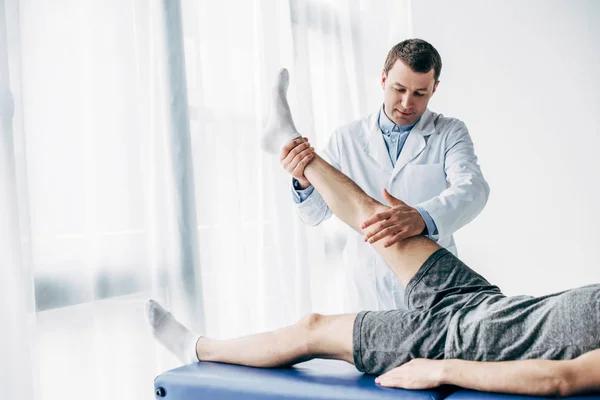
Musculoskeletal disorders (MSDs) encompass a wide range of conditions affecting the bones, muscles, joints, ligaments, and tendons. These disorders often result in pain, reduced mobility, and decreased quality of life. Physiotherapy plays a critical role in managing these conditions by offering non-invasive treatment options tailored to individual needs. Through targeted interventions, physiotherapists help patients restore function, alleviate pain, and prevent further deterioration.
One of the primary goals of physiotherapy in managing musculoskeletal disorders is to reduce pain and inflammation. Techniques such as manual therapy, soft tissue mobilization, and therapeutic ultrasound help improve blood circulation and decrease muscle tension. By addressing these symptoms early, physiotherapy can prevent chronic pain development and enhance the healing process.
Musculoskeletal disorders often cause stiffness and limited range of motion, which can severely impact daily activities. Physiotherapy incorporates specific exercises designed to stretch open this page and strengthen affected muscles and joints. These exercises improve flexibility, balance, and coordination, allowing patients to regain independence and return to their usual routines more quickly.
A significant advantage of physiotherapy is the creation of personalized exercise programs tailored to the patient’s specific condition and lifestyle. These programs are carefully designed to target weak areas, promote muscle balance, and enhance overall physical fitness. By following a structured plan, patients can achieve long-term improvements and reduce the risk of future injuries.
Physiotherapists also educate patients on proper body mechanics, posture, and ergonomic practices. Understanding how to avoid strain and injury during everyday activities is crucial in managing musculoskeletal disorders effectively. Preventative strategies taught during physiotherapy sessions empower patients to take control of their health and minimize the likelihood of recurring problems.
In addition to exercises and manual therapy, physiotherapy may include modalities such as heat and cold therapy, electrical stimulation, and hydrotherapy. These complementary treatments assist in reducing muscle spasms, improving circulation, and accelerating tissue repair. The integration of various techniques ensures a comprehensive approach to managing musculoskeletal disorders.
Physiotherapy is an effective and essential component in managing musculoskeletal disorders. By focusing on pain relief, restoring function, personalized exercise regimens, patient education, and complementary therapies, physiotherapists help individuals overcome the challenges posed by these conditions. Early intervention and consistent treatment can lead to significant improvements in quality of life, making physiotherapy a valuable resource for those affected by musculoskeletal disorders.