
How Homeowners Can Respond to a Major Water Leak
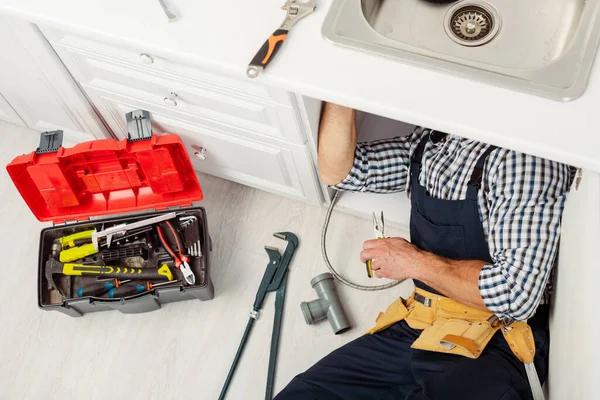
Discovering a major water leak in your home can be both stressful and potentially damaging. Prompt action is crucial to minimize property damage, avoid mold growth, and reduce costly repairs. Homeowners must respond quickly and effectively to manage the situation, ensuring safety and protecting their investment.
The first step when confronted with a significant water leak is to identify and stop the water source. Locate the main water shut-off valve, which is typically found near the water meter or where the main see website water line enters the house. Turning off this valve will prevent further water flow and reduce the extent of flooding or water damage. If unsure about the valve’s location, homeowners should familiarize themselves with it before emergencies occur.
Once the water supply is cut off, it is important to assess the affected areas carefully. Remove furniture, electronics, and valuables from the wet zones to prevent further damage. If the leak has caused standing water, use mops, towels, or a wet/dry vacuum to begin water removal. Prompt drying of the area can significantly reduce the risk of mold and mildew, which thrive in damp environments and pose health risks.
Next, homeowners should document the damage thoroughly. Taking photographs and making a detailed list of affected items and structural damage can be invaluable when filing an insurance claim. Contacting your insurance provider promptly allows you to understand coverage details and initiate the claims process. Many insurance policies cover sudden and accidental water damage but may exclude gradual leaks, so timely reporting is essential.
Hiring a professional plumber to inspect and repair the source of the leak is a critical step. Attempting to fix major plumbing issues without expertise can lead to incomplete repairs or further damage. Licensed plumbers have the tools and knowledge to address the problem effectively and can advise on preventing future leaks.
In addition to plumbing repairs, consider consulting a water damage restoration specialist. These professionals can assess structural damage, perform thorough drying and dehumidification, and handle mold remediation if necessary. Their expertise ensures your home returns to a safe and healthy condition quickly.
Finally, take preventive measures to avoid future major leaks. Regularly inspect plumbing fixtures, pipes, and appliances for signs of wear or corrosion. Installing water leak detection devices can alert homeowners early to leaks, minimizing damage. Routine maintenance and vigilance are key to protecting your home from unexpected water emergencies.
In summary, responding to a major water leak involves shutting off the water supply, mitigating damage, documenting the situation, contacting insurance, and seeking professional repairs and restoration. Acting swiftly and methodically can save homeowners significant stress, expense, and property loss.