
Top Efficient Plumbing Solutions to Reduce Daily Water Waste
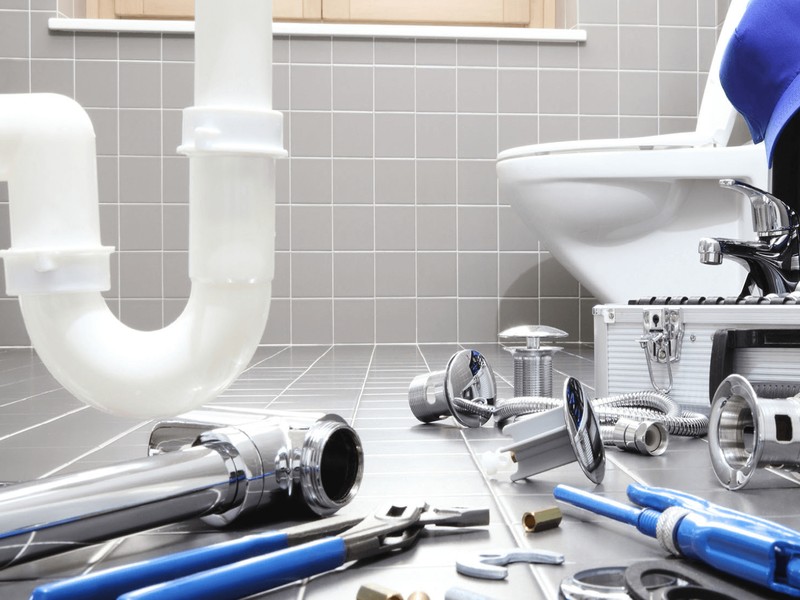
Water conservation has become a critical concern in today’s world, where the effects of climate change and increasing population pressures are intensifying the demand on our water resources. Efficient plumbing solutions play a pivotal role in reducing daily water waste, not only helping to conserve this precious resource but also resulting in significant cost savings for households and businesses alike.
One of the most effective ways to minimize water waste is by installing low-flow fixtures. Modern low-flow toilets, faucets, and showerheads are designed to use significantly less water than traditional models without sacrificing performance. For instance, older toilets can use up to 7 gallons per flush, while new low-flow models use as little as 1.28 gallons. Similarly, low-flow showerheads reduce water usage from approximately 2.5 gallons per minute (GPM) to about 1.5 GPM or even less.
Another innovative solution is the dual-flush toilet system that offers two flushing options: one for liquids and another for solids. This simple adjustment can lead to substantial water savings over time by using just enough water needed for each type of waste removal.
Fixing leaks promptly is another crucial step in reducing daily water wastage. Even minor leaks can result in significant cumulative losses over time; a dripping explore deeper faucet alone can waste hundreds of gallons annually if left unattended. Regular inspection and maintenance of plumbing systems ensure that any leaks are detected early and repaired swiftly.
The installation of smart meters is an emerging trend that provides detailed insights into household or commercial property water usage patterns. These devices help identify areas where excessive consumption occurs, enabling users to make informed decisions about adjusting their habits or upgrading their appliances for better efficiency.
Greywater recycling systems present another promising avenue for conserving fresh water supplies by reusing wastewater generated from sinks, showers, and laundry machines for purposes such as irrigation or toilet flushing after minimal treatment processes have been applied.
Rainwater harvesting systems offer yet another method for supplementing traditional freshwater sources with collected rainwater used primarily for non-potable purposes like gardening or landscape irrigation – further alleviating pressure on municipal supplies during dry periods when they’re needed most elsewhere within communities facing shortages due largely because inefficient practices remain prevalent across many sectors still today despite growing awareness around issues related directly back towards sustainability overall long-term goals globally shared amongst nations working together collaboratively towards achieving them successfully eventually someday soon hopefully!
By adopting these efficient plumbing solutions collectively at both individual levels alongside broader societal efforts aimed toward promoting responsible stewardship regarding natural resources generally speaking too perhaps ultimately we’ll all benefit greatly through reduced environmental footprints plus enhanced quality life experiences enjoyed equally everywhere worldwide!