
A Beginner’s Guide to Construction and Excavation Processes
Embarking on a construction project can seem daunting, especially for beginners unfamiliar with the intricacies of the construction and excavation processes. However, understanding these foundational steps is critical to ensuring a successful outcome. Construction and excavation are integral parts of building anything from residential homes to large-scale infrastructure projects. This guide aims to demystify these processes by breaking them down into manageable components.
The journey begins with planning and design, which involves creating detailed blueprints and plans that outline every aspect of the project. This phase requires collaboration between architects, engineers, and clients to ensure that all requirements are met while adhering to local regulations and codes. It’s crucial at this stage to conduct a thorough site analysis, assessing factors such as soil stability, drainage patterns, and environmental impact.
Once planning is complete, the focus shifts to obtaining necessary permits from local authorities. These legal documents authorize the commencement of construction activities and ensure compliance with safety standards. Simultaneously, contractors are selected through bidding processes or direct hiring based on their expertise in handling specific types of projects.
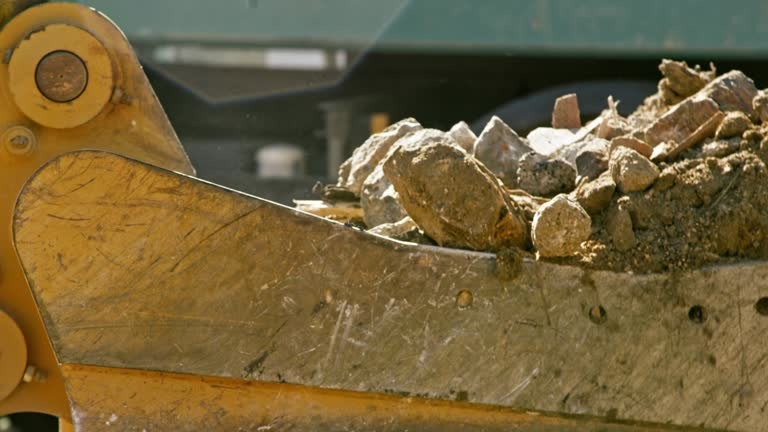
Excavation marks the first physical step in construction. It involves clearing the site of any obstacles such as trees or existing structures before digging begins. Excavators uncover hidden gems use heavy machinery like backhoes and bulldozers to remove soil until they reach desired depths outlined in project plans. Proper excavation is vital as it lays down a stable foundation for future structures.
During excavation, it’s essential to consider factors like weather conditions since rain can lead to waterlogged sites that complicate digging efforts or cause delays due to safety concerns. Additionally, maintaining clear communication among team members ensures everyone understands their roles during this phase.