
How to Boost HVAC Efficiency in Older Homes
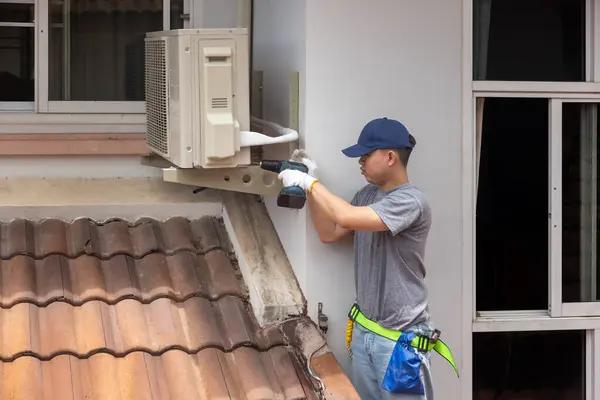
Improving HVAC efficiency in older homes is a crucial task that can lead to significant energy savings and enhanced comfort. Older homes often come with unique challenges such as outdated systems, poor insulation, and drafty windows, all of which can hinder the performance of heating, ventilation, and air conditioning systems. However, with some strategic upgrades and maintenance practices, homeowners can optimize their HVAC systems for better efficiency.
One of the first steps in boosting HVAC efficiency is to conduct a thorough inspection of the existing system. This involves checking for any signs of wear or damage that could be affecting performance. Hiring a professional technician to assess the system can provide valuable insights into necessary repairs or replacements. Often, older units may benefit from being replaced with more modern, energy-efficient models. While this might require an initial investment, the long-term savings on energy bills make it worthwhile.
Another critical aspect is improving home insulation. Many older homes have insufficient insulation which leads to heat loss during winter and heat gain during summer. Upgrading insulation in attics, walls, and basements helps maintain a consistent indoor temperature without over-relying on HVAC systems. Additionally, sealing gaps around windows and doors with weatherstripping or caulking prevents drafts explore deeper that force HVAC units to work harder than necessary.
Regular maintenance plays an essential role in ensuring efficient operation of HVAC systems in older homes. Simple tasks like replacing air filters every few months can prevent dust buildup that restricts airflow and reduces system efficiency. Scheduling annual professional maintenance checks ensures that components are clean and functioning correctly while identifying potential issues early before they escalate into costly repairs.
Incorporating smart technology also offers significant benefits for enhancing HVAC efficiency in older residences. Smart thermostats allow homeowners to program heating and cooling schedules according to their needs while learning preferences over time for optimal performance adjustments automatically. This not only enhances comfort but also reduces unnecessary energy consumption when no one is home.
Finally, considering supplementary solutions such as ceiling fans or portable heaters/air conditioners can alleviate pressure on central systems by providing targeted climate control where needed most within larger spaces typically found in old houses with high ceilings or sprawling layouts.
By taking these measures—upgrading equipment where feasible; enhancing insulation; performing regular upkeep; adopting smart controls; utilizing additional climate aids—homeowners will find themselves enjoying improved indoor environments alongside reduced utility expenses even amidst architectural charms inherent within vintage abodes! Ultimately though each step taken toward improving overall thermal management contributes positively towards creating healthier living spaces whilst simultaneously benefiting both wallet & planet alike through decreased carbon footprints associated therein!