
landscape grass Solutions for Low Maintenance Lawns
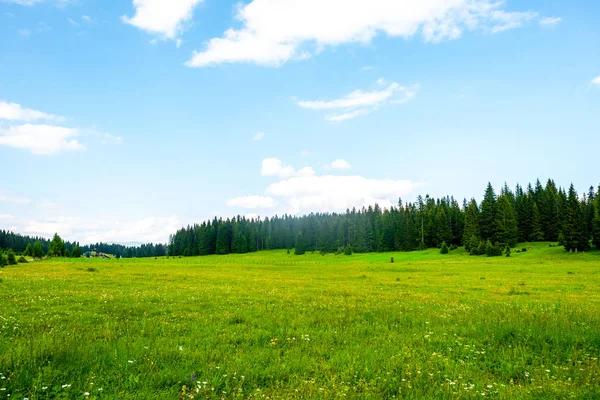
Creating a beautiful lawn that requires minimal upkeep is a goal for many homeowners and property managers. Low maintenance lawns not only save time but also reduce water consumption, fertilizer use, and the need for frequent mowing. Selecting the right type of grass plays a crucial role in achieving this balance between aesthetics and ease of care. Several landscape grass solutions are particularly well-suited for low maintenance lawns due to their durability, drought tolerance, and resistance to pests and diseases.
One popular choice is buffalo grass, which thrives in warm climates with minimal watering once established. Buffalo grass grows slowly compared to traditional fake turf for dogs grasses, reducing the frequency of mowing needed. Its deep root system helps it survive dry conditions better than many other varieties. Additionally, buffalo grass has a natural resistance to weeds, limiting the need for herbicides or manual weed control efforts.
Another excellent option is fescue grass, especially fine fescues such as creeping red or chewings fescue. These grasses perform well in cooler climates and shaded areas where sunlight may be limited. Fine fescues require less fertilizer than common turfgrasses because they grow more slowly and have lower nutrient demands. Their dense growth habit helps choke out weeds naturally while maintaining an attractive appearance throughout much of the year.
Zoysia grass offers another practical solution for those seeking low maintenance lawns with good wear tolerance. It forms a thick carpet-like surface that recovers quickly from foot traffic damage without needing constant reseeding or repair work. Zoysia’s slow vertical growth reduces mowing frequency significantly compared to fast-growing species like Kentucky bluegrass or ryegrass.
In addition to selecting appropriate species, proper lawn care practices enhance the performance of low maintenance grasses. Aerating compacted soil improves root health by allowing air and water penetration deeper into the ground while overseeding thin areas encourages uniform coverage without excessive fertilization inputs.
Watering strategies also impact overall maintenance requirements; establishing new lawns typically needs regular moisture until roots develop fully but mature stands benefit from infrequent deep watering rather than frequent shallow irrigation sessions that promote weak roots prone to disease problems.
Choosing native grasses adapted specifically for local environmental conditions can further reduce reliance on chemical treatments since these plants have evolved natural defenses against region-specific pests and stresses.
In summary, opting for landscape grasses such as buffalo grass, fine fescues, or zoysia combined with sound cultural practices creates sustainable low maintenance lawns that remain healthy with less effort over time. This approach not only conserves resources but also provides an attractive outdoor space suitable for various settings including residential yards and commercial properties alike.