
Cost and Process Explained for tree on roof removal Services
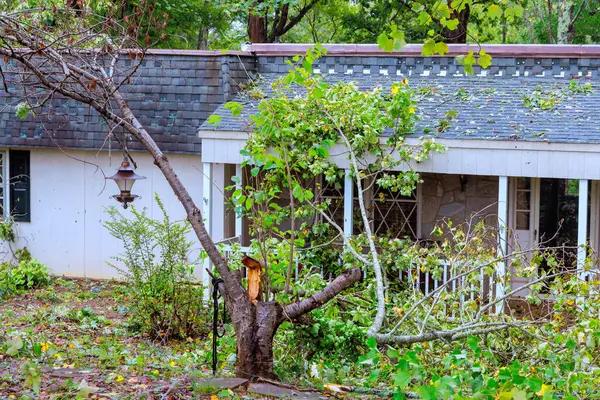
Removing a tree from a roof is a complex task that requires careful planning, specialized equipment, and professional expertise. The cost and process involved in tree-on-roof removal services vary depending on several factors including the size of the tree, its location, accessibility, and any potential damage to the property. Understanding these elements can help homeowners make informed decisions when faced with this challenging situation.
The initial step in the removal process involves assessing the extent of the problem. Professionals will evaluate the size and type of tree, how it landed on the roof, and whether it poses any immediate safety risks. This inspection helps determine if there are structural damages to the house or if parts of the tree need to be stabilized before removal begins. Safety is paramount throughout this phase since working at height carries inherent dangers for both workers and residents.
Once an assessment is complete, experts develop a plan tailored to safely remove the tree without causing further harm to the roof or surrounding structures. Depending on accessibility, they may use cranes or ropes to carefully dismantle sections of the tree piece by piece rather than attempting one large lift. This methodical approach minimizes additional stress on damaged roofing materials while allowing controlled removal.
The complexity of accessing trees situated in tight spaces or near power lines can increase both risk and costs significantly. In such cases, extra precautions like coordinating with utility companies might be necessary before work begins. Additionally, debris disposal fees are often included in overall pricing since removing branches and wood fragments from residential areas requires proper handling.
Cost estimates for removing a tree on roof generally range widely due to varying circumstances but typically fall between several hundred dollars up to several thousand dollars for more complicated jobs involving large trees or significant damage repairs. Smaller trees that have fallen lightly onto roofs might incur lower charges primarily covering labor and cleanup efforts. Larger incidents requiring heavy machinery usage or structural repairs will naturally push prices higher.
Insurance coverage plays an important role as well; many homeowner policies include provisions for damage caused by fallen trees which can offset some expenses related to professional removal services. Homeowners should verify their policy details prior to hiring contractors so they understand what costs may be reimbursed after submitting claims.
In summary, engaging experienced professionals ensures safe execution through thorough evaluation followed by strategic dismantling techniques adapted specifically for each unique scenario involving trees on roofs. While prices fluctuate based on complexity and scale of work required, prioritizing safety along with clear communication about expectations leads to efficient resolution when dealing with this uncommon yet urgent issue at home.