
Discover Stunning Designs Using an AI Generator for Tattoos
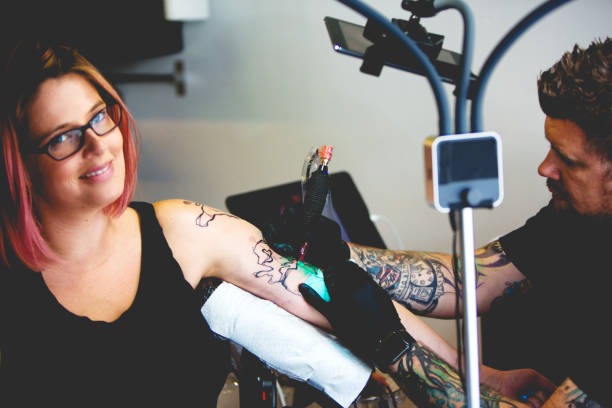
Tattoos have long been a cherished form of self-expression, offering individuals a permanent canvas on which to display their personal stories, beliefs, and artistic inclinations. In recent years, the intersection of technology and creativity has opened new doors for tattoo enthusiasts looking to explore unique designs. One such technological marvel is the AI generator for tattoos—a tool that is revolutionizing the way people conceptualize and create body art.
Artificial intelligence has made significant strides in various creative fields, from music composition to digital painting. Now, it’s making waves in the world of tattoo design by providing artists and clients alike with innovative ways to visualize potential tattoos before they are inked onto skin. AI generators use complex algorithms trained on vast datasets of existing artwork to produce novel designs that can range from abstract patterns to intricate portraits.
For those seeking inspiration or unsure about what they want permanently etched onto their bodies, an AI generator offers an abundance of ideas at their fingertips. These tools allow users to input keywords or themes—such as nature motifs, geometric shapes, or cultural symbols—and receive a plethora of design options tailored to their preferences. This not only streamlines the brainstorming process but also introduces users to styles and concepts they may not have previously considered.
Moreover, AI-generated designs can be customized further through user interaction. Many platforms offer features that let individuals tweak aspects like color schemes, line thicknesses, or even merge different elements dig into it one cohesive piece. This level of personalization ensures that each tattoo remains unique despite originating from a computer program.
Tattoo artists benefit immensely from these advancements as well. By incorporating AI-generated ideas into their workflow, artists can save time on preliminary sketches while still delivering high-quality work that meets client expectations. Additionally, these tools serve as educational resources; by analyzing how algorithms combine shapes and colors effectively, artists can gain new insights into compositional techniques.
However beneficial this technology may be, it is essential not to overlook the human element inherent in tattoo artistry—the skillful handwork required during application cannot be replicated by machines alone. The role of experienced tattooists remains irreplaceable when it comes down ensuring safe practices and achieving precise execution based on skin type variability among clients.
In conclusion: embracing artificial intelligence does not mean replacing traditional methods but rather enhancing them through collaboration between man-made ingenuity & machine learning capabilities within creative industries such as body modification artistry where innovation continues pushing boundaries beyond imagination limits previously thought possible!